
Outbound that knows who it's talking to.
Build lists from real customer research, run multi-step sequences, and test ICP angles as experiments — so every send is grounded in what you actually know about the buyer.

Outbound tools move fast — in the wrong direction.
Spray-and-pray outbound.
You're sending to a list you bought, not a list you understand. Volume goes up, reply rate stays flat.
Your ICP is a guess.
Targeting decisions ride on a hunch — no evidence, no record of what's been validated and what's been ruled out.
Replies go nowhere.
A prospect tells you something real on a call or in a reply, and it never makes it back to research or the next campaign.
A real outbound engine — wired to your research.
Lists, sequences, experiments, replies — the full outbound stack, with the customer research context traveling alongside every contact. New here? See how Intervool connects research to outbound.
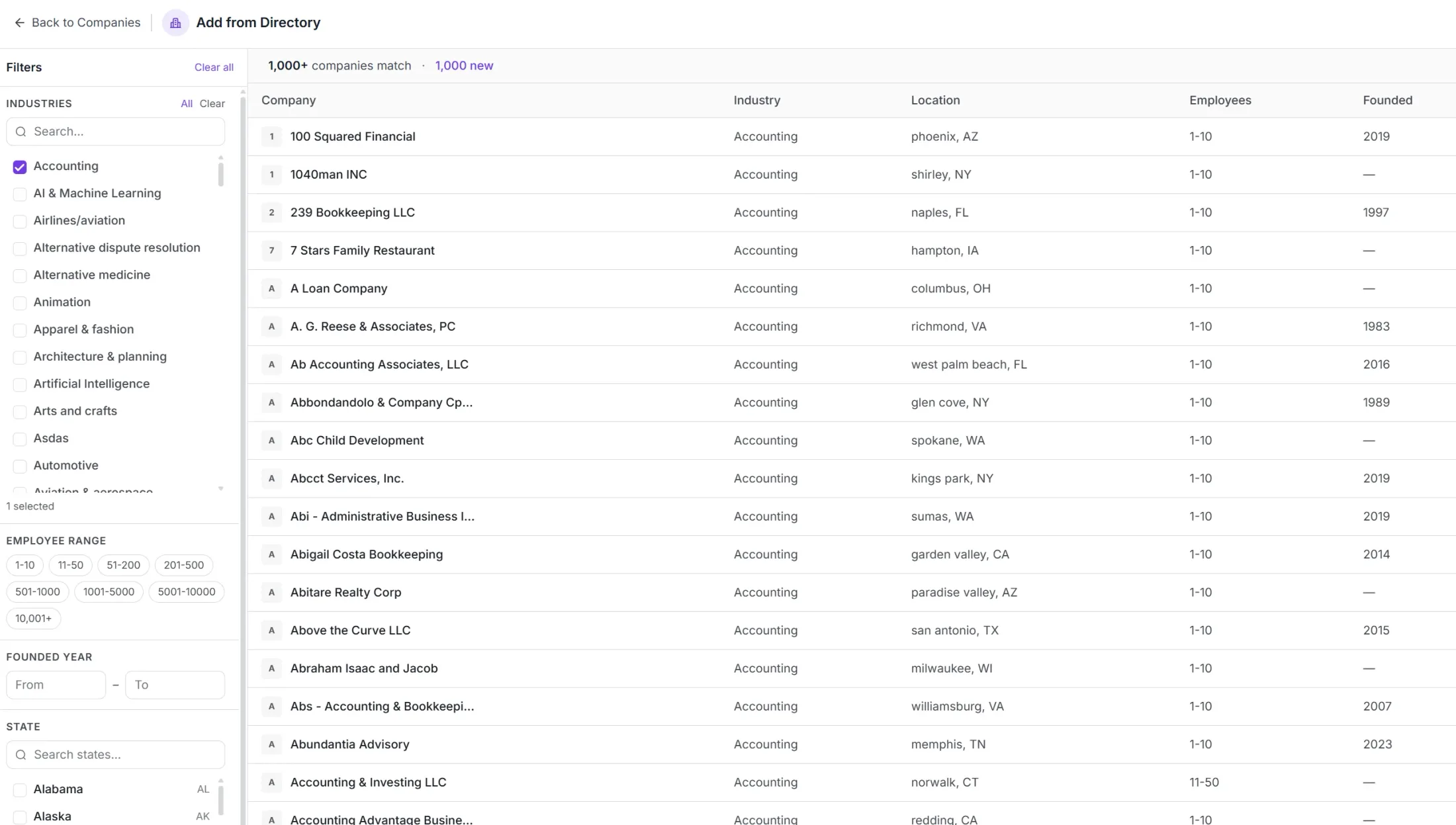
Build lists from research
Pull audiences from personas and themes — or import a CSV from Apollo, Clay, or ZoomInfo and layer the research context on top.
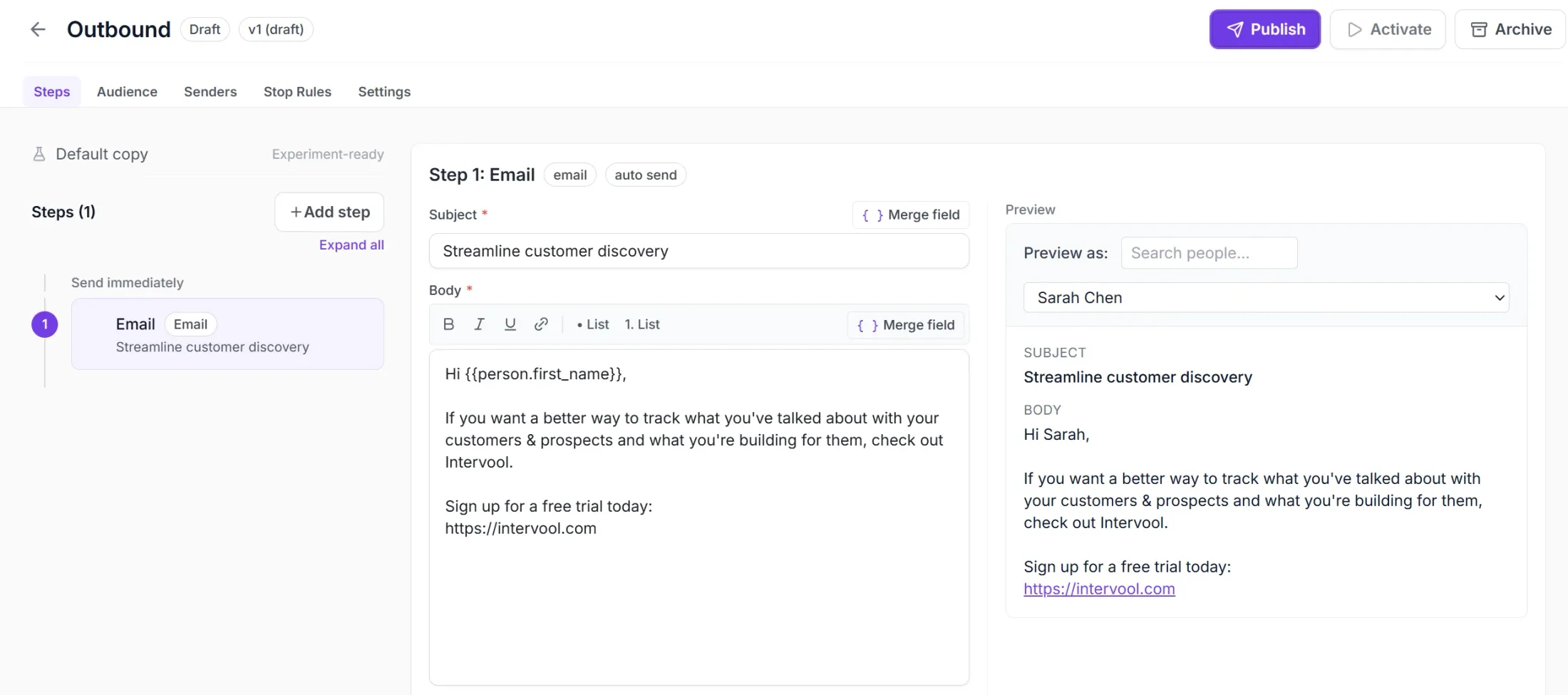
Multi-step sequences
Cadences with audience, senders, steps, and stop rules. Pause on reply, branch on engagement, route hot opens to the founder.
ICP & angle experiments
Test which message angle wins for which segment. Validated, rejected, in-progress — every experiment surfaced and tracked.
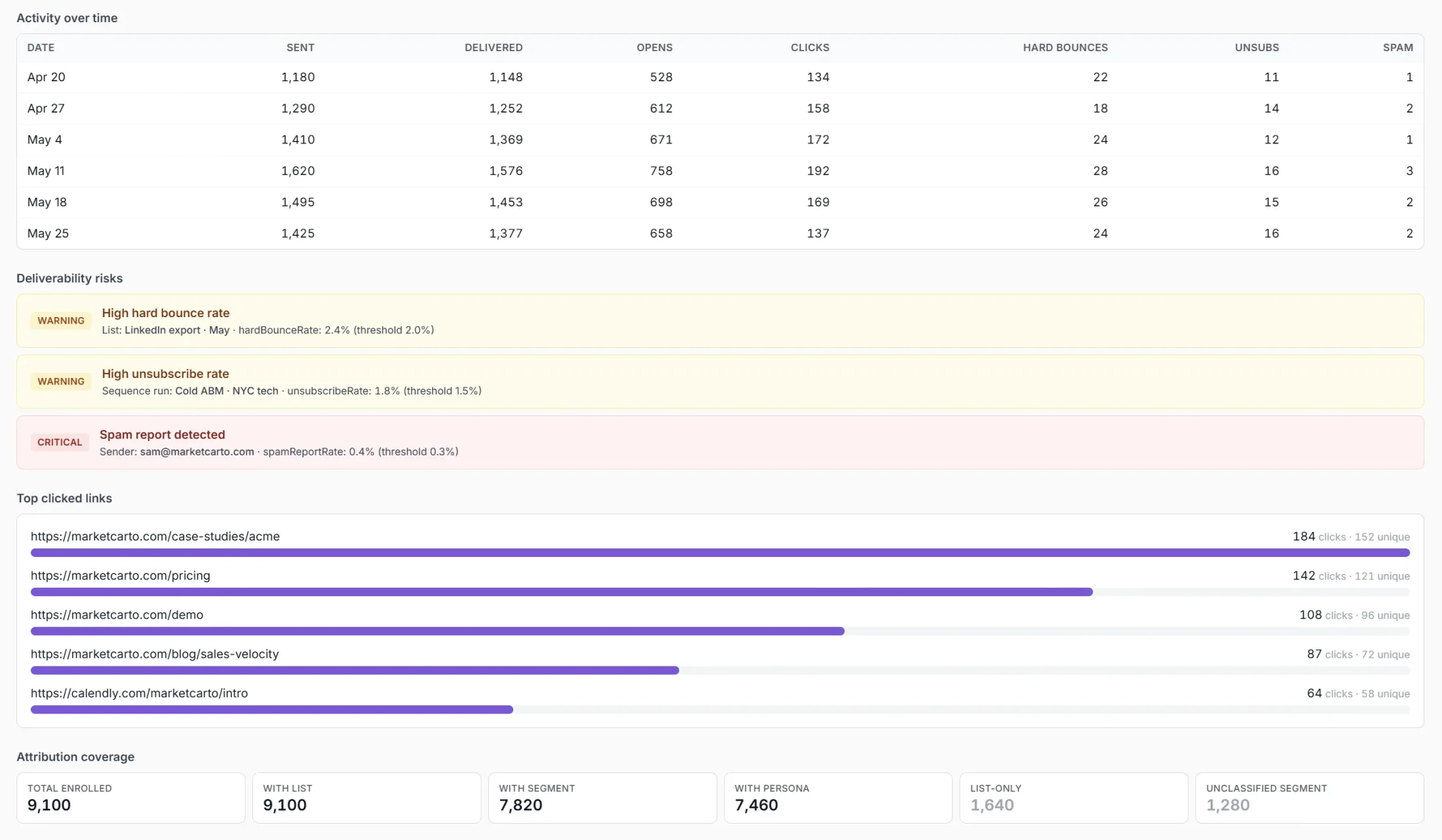
Reply + outcome tracking
Structured outcomes on every send. Replies flow back into research so your ICP sharpens with every campaign.
Outbound grounded in real research.
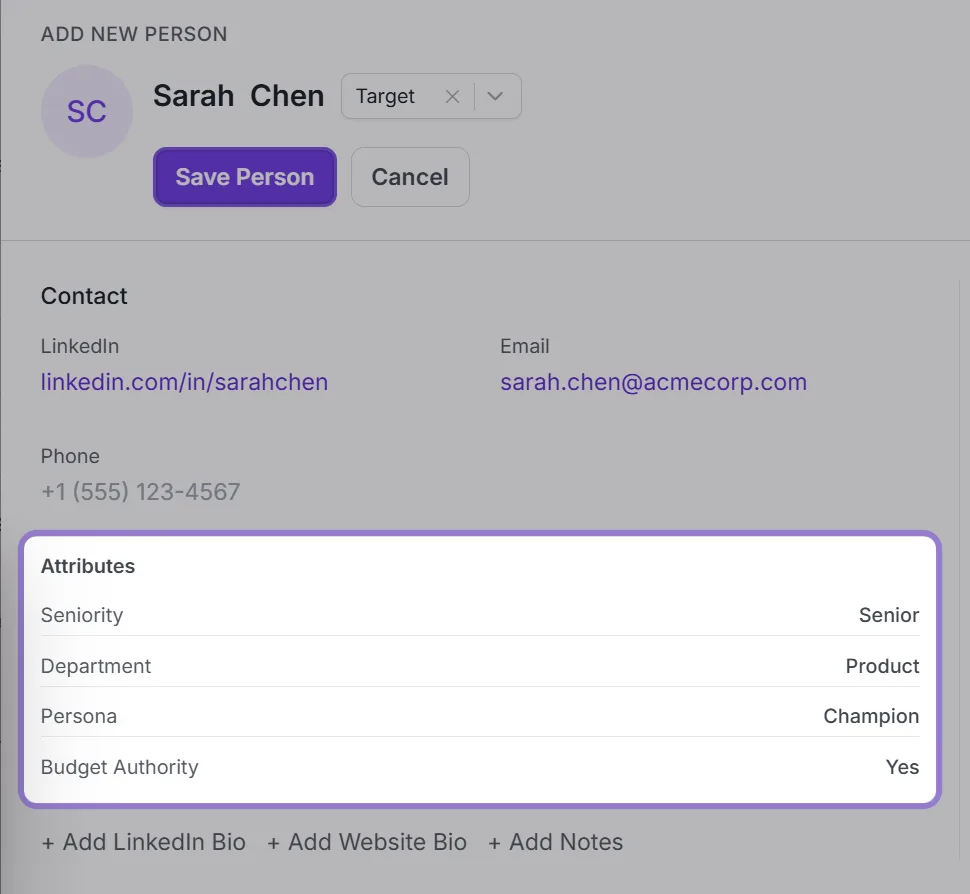
Every contact carries what you've learned about them.
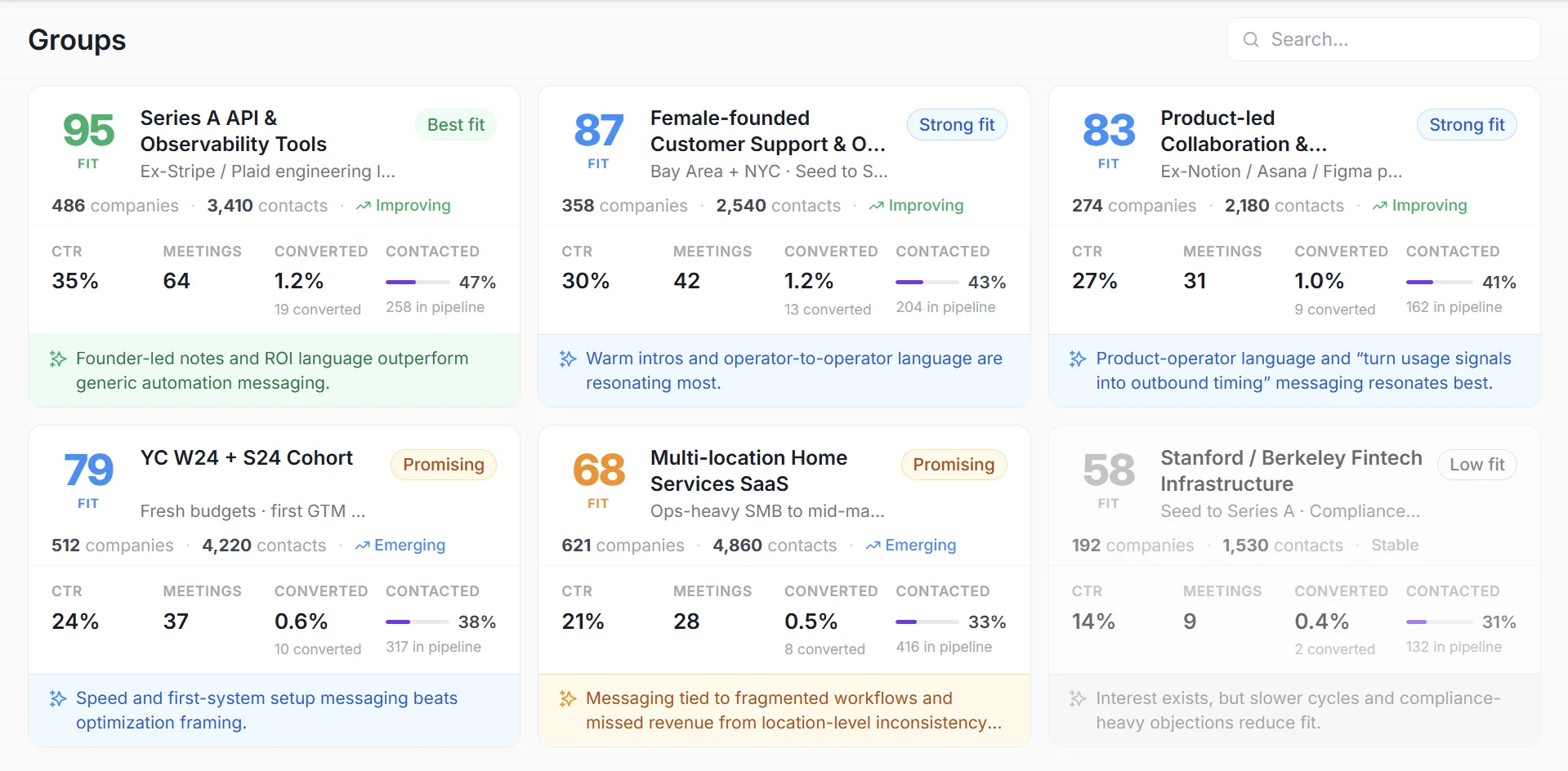
Target by segment, not by a list you don't understand.
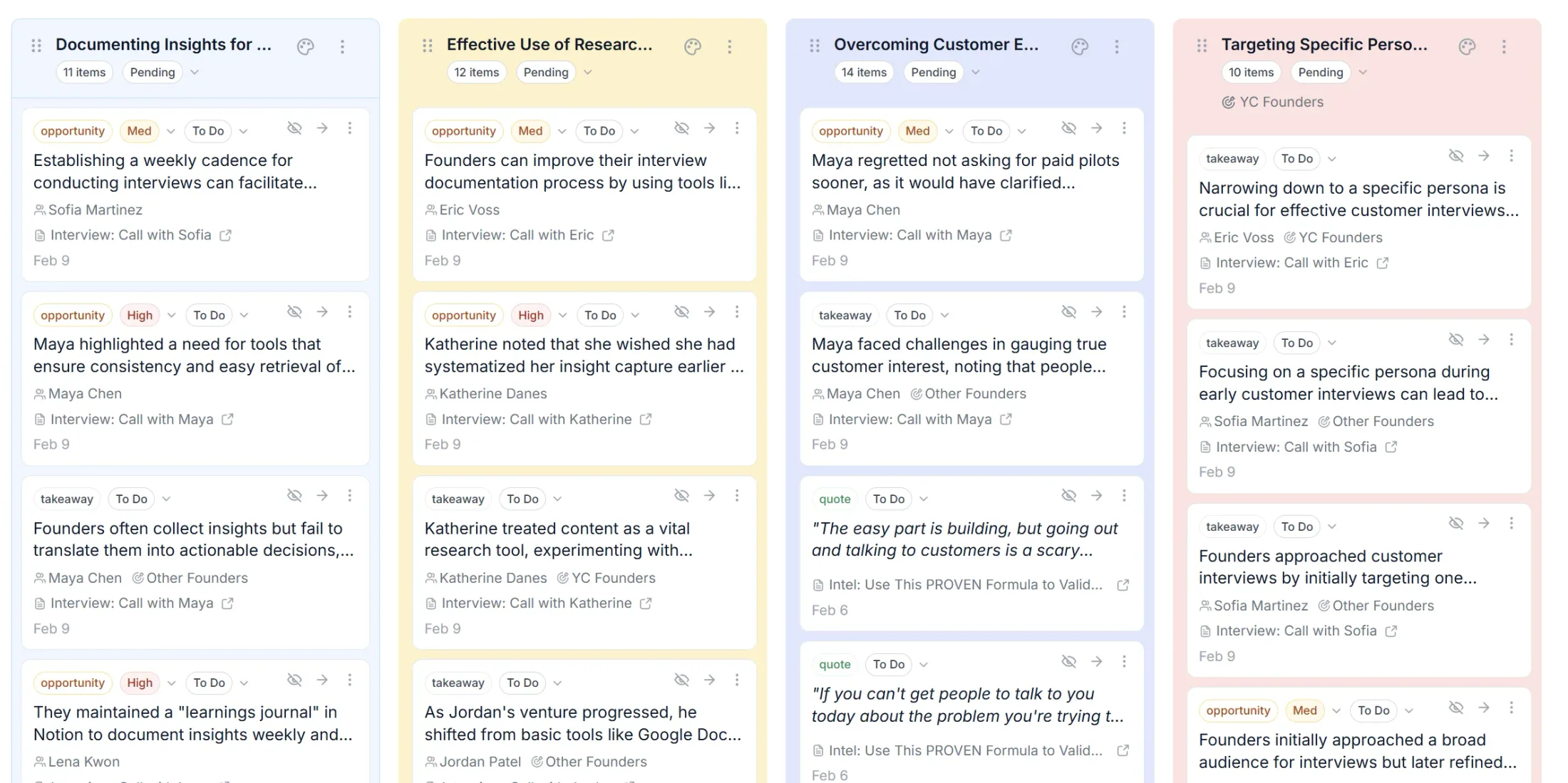
Write angles from real customer language, not guesswork.
From ICP hypothesis to validated pipeline.
Set an ICP hypothesis
Start from what research already suggests — a segment with real, repeated pain.
Build the list
Pull an audience from a persona or theme, or import a CSV and enrich it with context.
Run the sequence
Multi-step cadence with audience, senders, and stop rules. Replies captured automatically.
Test the angles
Run angles as experiments. See which message wins for which segment — validated or rejected.
Recalibrate
Outcomes feed back into research. Your ICP sharpens, and the next campaign starts smarter.
"Every reply is research. Most teams throw it away."
The playbooks behind the product.


Team is $279/mo for your team. Usage and enrichment are pay-as-you-go.
14-day free trial. No credit card. You only pay for the outbound you actually run.
What outbound features does Intervool include?
Intervool includes multi-step sequences with audience, senders, steps, and stop rules; ICP and message-angle experiments; and structured reply and outcome tracking. Lists can be built from personas, themes, or imported CSVs.
Can I import lists from Apollo, Clay, or ZoomInfo?
Yes. Import any list as a CSV from Apollo, Clay, or ZoomInfo. Intervool layers research context — persona, segment, and what's known about each contact — on top before you run sequences.
How is Intervool different from Apollo or Outreach?
Apollo and Outreach find contacts and send sequences. Intervool grounds every send in customer research, runs message angles as tracked experiments, and feeds reply outcomes back into your ICP so targeting sharpens with each campaign.
How does Intervool test message angles?
Message angles run as structured experiments. Intervool tracks open, reply, and meeting rates per segment and marks each experiment validated, rejected, or in progress, so you can see which angle wins for which audience.
What does Intervool cost for a GTM team?
The Team plan is $279/mo for your team. Usage and contact enrichment are pay-as-you-go, so you only pay for the outbound you actually run. Every plan includes a 14-day free trial.
Outbound that actually learns.
Try Intervool free for 14 days. No credit card required.