Customer interviews are one of the most valuable tools a business has for understanding its audience. They offer a direct line to customer insights that can shape strategy and drive success.
Conducting effective interviews requires more than just asking questions. It involves using the right interview techniques to gather meaningful, unbiased data — and having a way to turn that raw feedback into decisions. The insights you gain can inform product development, enhance customer service, and refine marketing.
By asking the right interview questions, you uncover the feedback that fuels continuous improvement and innovation. In this guide, we will explore how to maximize insights from customer interviews — from preparation through synthesis — and how a workspace like Intervool helps you do more with every conversation.
Why Customer Interviews Matter for Business Success
Customer interviews provide a wealth of information that can transform a business. They offer a firsthand look into customer needs, pain points, and preferences — the foundation of customer satisfaction and loyalty.
The insights from user interviews help businesses differentiate their offerings in a competitive landscape. Customer discovery through interviews validates assumptions and refines products or services before you over-invest in the wrong thing. This proactive approach to user feedback leads to more targeted, effective solutions.
Interviews also reveal unmet needs and opportunities for innovation. By delving into real customer experiences, you can identify gaps in your market and adapt accordingly — keeping your offering relevant and valuable.
Consider why customer interviews are essential:
- They build stronger customer relationships.
- They uncover insights that drive strategic decisions.
- They help businesses adapt to changing market demands.
In short, customer interviews aren't just about gathering information — they're about building a customer-centric culture.
Preparing for Effective Customer Interviews
Proper preparation is critical for a successful customer interview. Start by defining clear objectives. Knowing what you aim to learn guides your approach and clarifies the type of questions to ask.
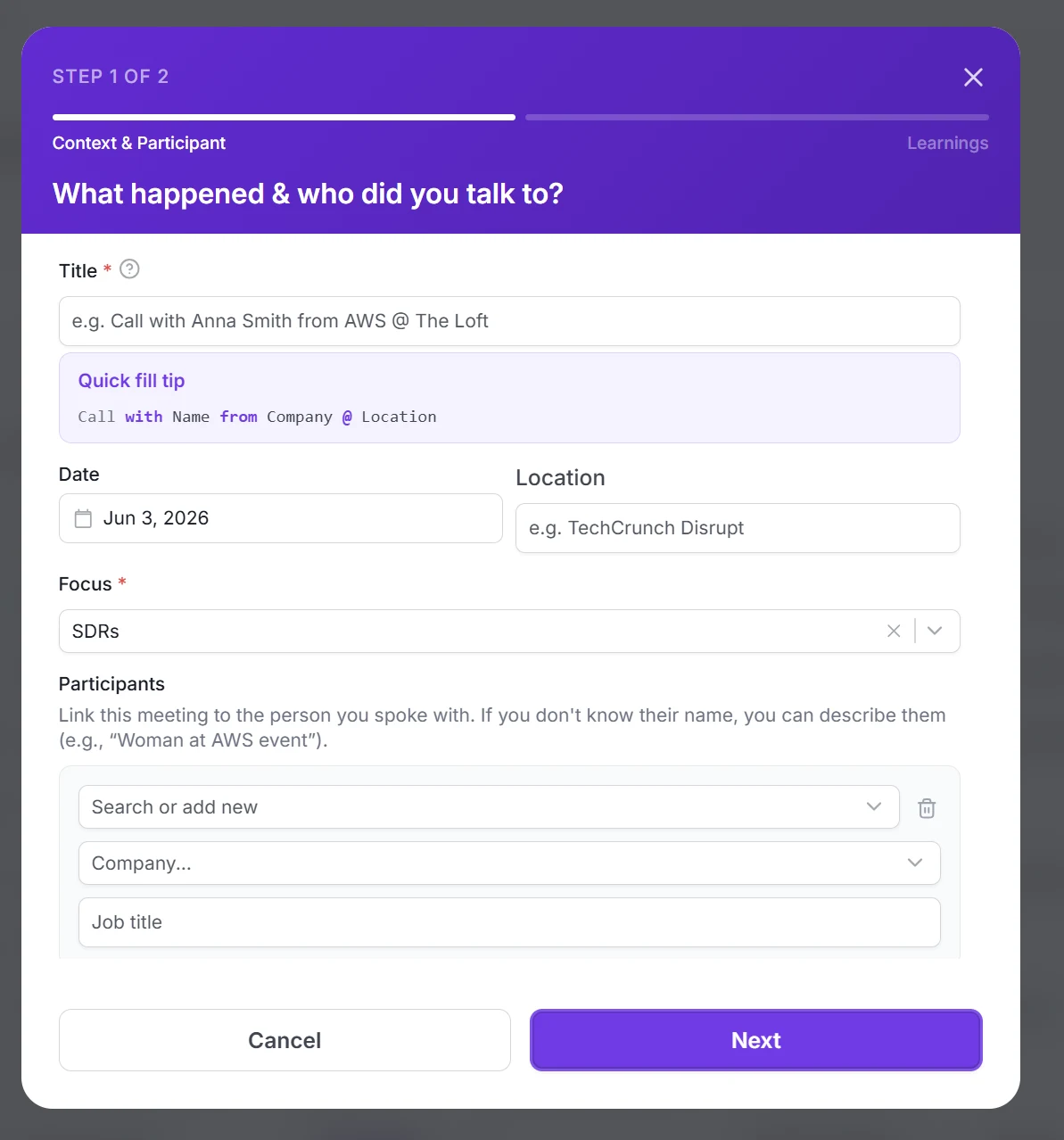
A well-thought-out plan keeps interviews focused and productive. Prepare a list of interview questions that align with your objectives, and tailor them to your specific goals so the insights you gather are relevant. In Intervool, you can attach questions to each interview or reuse a template, so every conversation covers what matters.
Consider the logistics, too. Choose a comfortable, distraction-free setting — in person, on a call, or over video — that puts interviewees at ease and fosters candid feedback.
Key preparation steps:
- Define the interview's purpose and goals.
- Develop a set of tailored interview questions.
- Select the appropriate interview method and setting.
- Ensure your recording and transcription tools are ready.
- Plan the interview timeline.
Finally, familiarize yourself with the interviewee's background. Context about their experience and relationship with your brand informs your questions and builds rapport — the foundation for an insightful discussion.
Crafting the Right Interview Questions
Crafting effective interview questions is an art that balances open-ended and specific inquiries. Start with open-ended questions to let interviewees express their thoughts freely. This often reveals unexpected insights and guides the direction of the conversation.
Wording matters. Keep questions clear, concise, and jargon-free so customers can understand and respond accurately. Avoid leading questions that nudge people toward a particular answer — unbiased responses produce more genuine customer insights.
A few question types to consider:
- Exploratory questions: "Can you walk me through the last time you tried to solve this problem?"
- Problem-solving questions: "What's the most frustrating part of how you do this today?"
Incorporate follow-up questions to explore deeper layers or clarify ambiguous points. They show you're actively listening and value the interviewee's input, which leads to richer data.
Tailor questions to your customer personas and segments, since different groups have different needs. This keeps the conversation relevant and ensures the insights align with your business objectives.
Proven Interview Techniques for Deeper Insights
To gain deeper insights, employ proven interview techniques. Active listening is paramount: let interviewees share without interruption, which signals genuine interest and encourages open sharing.
Building rapport eases tension and fosters trust, leading to more honest feedback. Start with informal conversation before moving into the serious topics.
Adapt your style to the interviewee. Some respond better to direct questions; others thrive on conversational prompts. Flexibility leads to more fruitful exchanges.
Techniques worth practicing:
- Mirroring: reflecting back what the interviewee says to show understanding.
- Paraphrasing: rephrasing answers to confirm comprehension.
- Probing: asking deeper questions based on initial responses.
Each technique helps uncover the emotional drivers and rational thoughts behind customer behavior, giving you a comprehensive view of their experience.
Conducting the Interview: Best Practices
Conducting interviews well requires attentiveness and a light structure. Begin by ensuring the environment is comfortable and free of distractions, whether in person or virtual.
Open by explaining the purpose and assuring the interviewee that their feedback is valued — this sets a positive tone. Manage time so you cover everything planned without rushing, leaving room for follow-ups.
Encourage storytelling with open-ended questions. Stories provide rich, qualitative data that surfaces unmet needs and new opportunities. Be patient and give people room to articulate their thoughts.
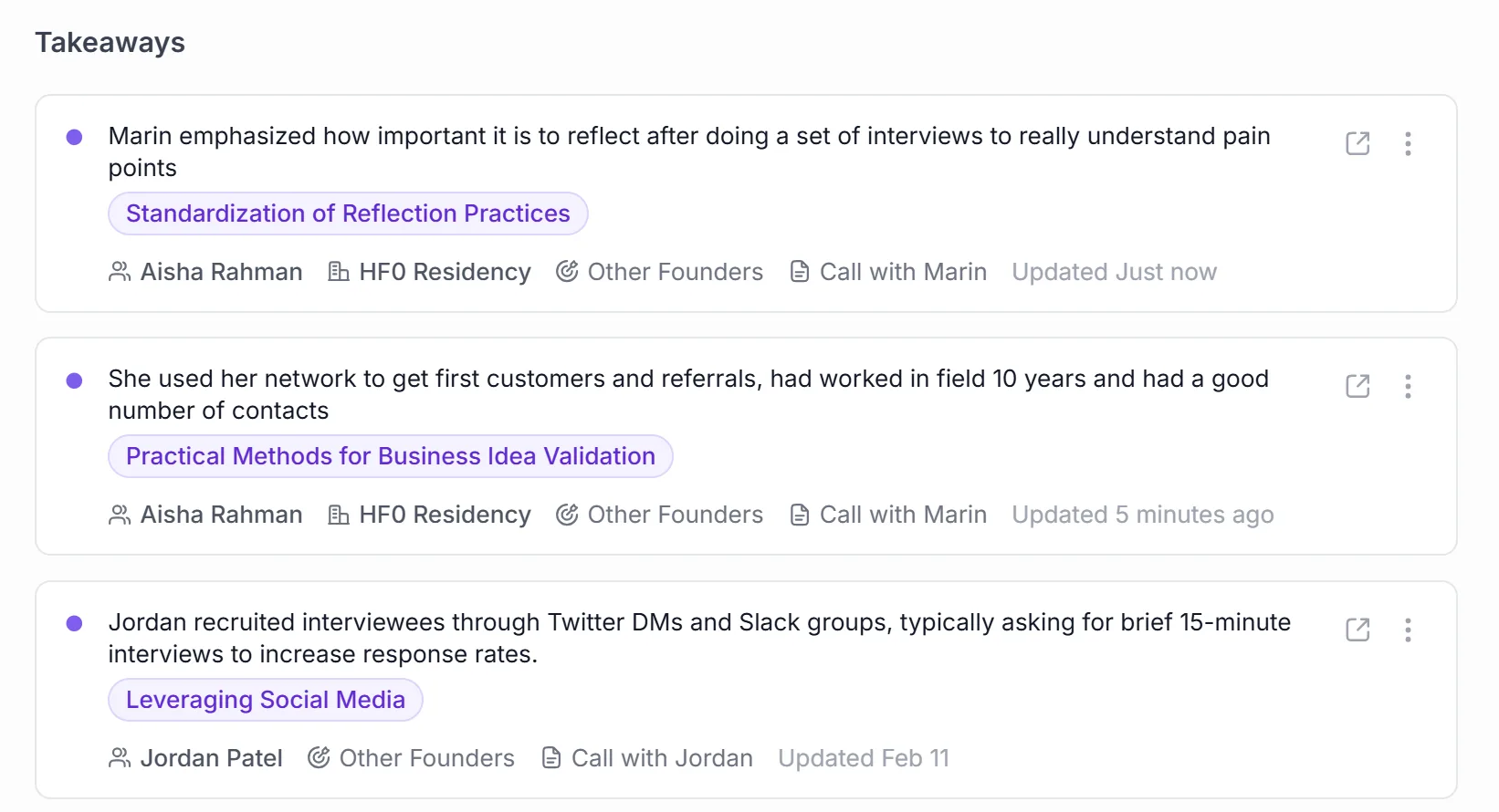
Record the conversation so nothing gets lost. Intervool captures the video, audio, and a full transcript of every call, so you can stay present in the moment instead of scribbling notes — and revisit exactly what was said later.
Best practices to keep in mind:
- Set clear objectives before starting.
- Use neutral language to avoid bias.
- Follow up after the interview for any clarifications.
- Thank participants for their time and insights.
Analyzing and Synthesizing Customer Feedback
After conducting customer interviews, the real work is analyzing and synthesizing the feedback. Start by reviewing the transcripts thoroughly — they help you spot nuances you'd otherwise miss.
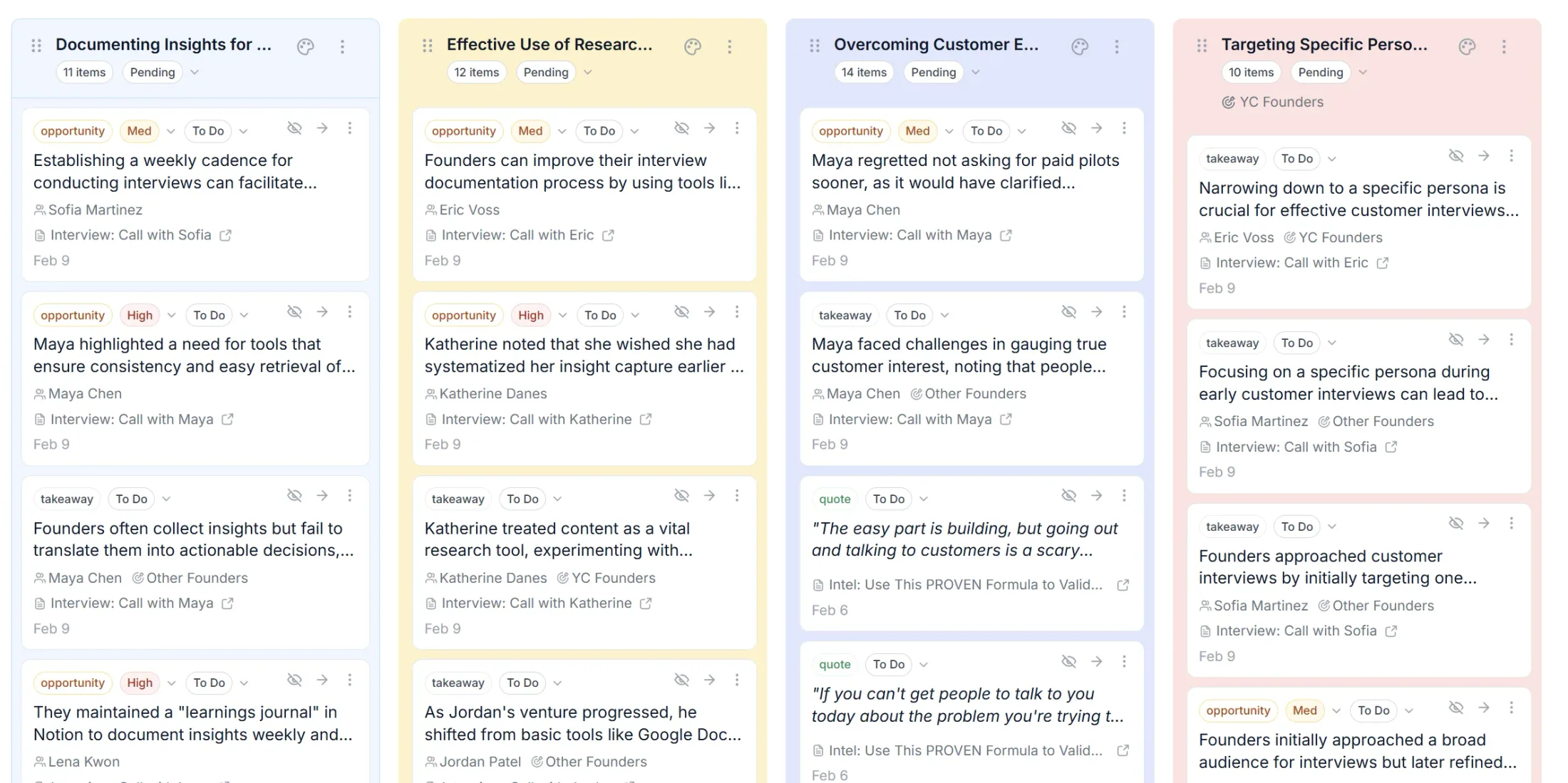
Look for patterns and trends across interviews. Recurring themes highlight the areas that need attention, while a diversity of responses keeps your understanding well-rounded. Techniques like thematic synthesis and affinity mapping help you move from a pile of raw notes to a clear picture of what customers repeatedly care about.
This is the step where most teams lose momentum — and where Intervool does the heavy lifting. It transcribes each call, pulls structured insights (pain points, opportunities, feature requests, and quotes) linked back to the exact moment they came from, and surfaces what repeats across every conversation. Instead of a static research repository, you get synthesis you can actually act on, with a copilot to interrogate everything you've heard.
The key steps for synthesizing feedback:
- Identify common themes across conversations.
- Quantify recurring responses to gauge impact.
- Recommend actionable strategies grounded in the evidence.
Turning Customer Insights into Actionable Strategies
Translating customer insights into action is what separates research that compounds from research that gathers dust. These insights should guide decisions that improve your product and customer experience — aligned with your business objectives.
Start by prioritizing the most impactful insights. Determine which findings align with your goals and have the potential to drive real change, so you focus resources where they'll matter most. An impact-vs-effort view makes those trade-offs explicit.
From there, build a plan. Intervool rolls insights up into evidence-linked themes, turns those themes into a prioritized product roadmap, and keeps every bet one click from the customer quote behind it — so you can defend what you're building and to whom.
Then monitor. Collect feedback, evaluate whether the changes landed, and adjust. This iterative loop is what keeps a team genuinely customer-centric.
Key steps for turning insights into strategies:
- Prioritize insights by impact potential.
- Build an action plan with clear roles and timelines.
- Monitor and adjust based on new feedback.
Common Mistakes and How to Avoid Them
A few pitfalls show up again and again:
- Leading questions that bias responses and distort results. Keep questions neutral to gather authentic insights.
- Thin preparation. Without clear objectives, interviews drift and miss valuable data.
- Unsystematic analysis. Feedback that isn't organized hides the patterns that matter most.
Avoid these by crafting neutral, unbiased questions, preparing thoroughly before each interview, and synthesizing your data systematically — ideally in one place rather than across scattered docs and spreadsheets.
Tools and Resources for Customer Research
The right tools dramatically improve the quality of your customer research. Traditionally, teams stitch together several: a recorder, a transcription service, a notes doc, and a separate analysis tool — then a roadmap tool on top.
Intervool replaces that stack with one workspace built for the full loop:
- Capture every interview — video, audio, and an auto-generated transcript.
- Bring in past research — upload existing recordings, audio, or notes and Intervool transcribes and analyzes them just like a new call.
- Synthesize insights into evidence-linked themes, personas, and segments.
- Prioritize what to build next and carry it into a defensible roadmap.
If you'd rather see it than read about it, start a free trial — 14 days, no credit card — or see how Intervool works end to end.
Conclusion: Building a Customer-Centric Culture
Customer interviews are vital tools for understanding and meeting customer needs — but only if the insights make it out of the recording and into your decisions. Leveraging that feedback well can transform your business.
By fostering a customer-centric culture — and using a workspace that turns conversations into a roadmap you can defend — you'll build stronger loyalty, drive innovation, and stay ahead in a competitive market.